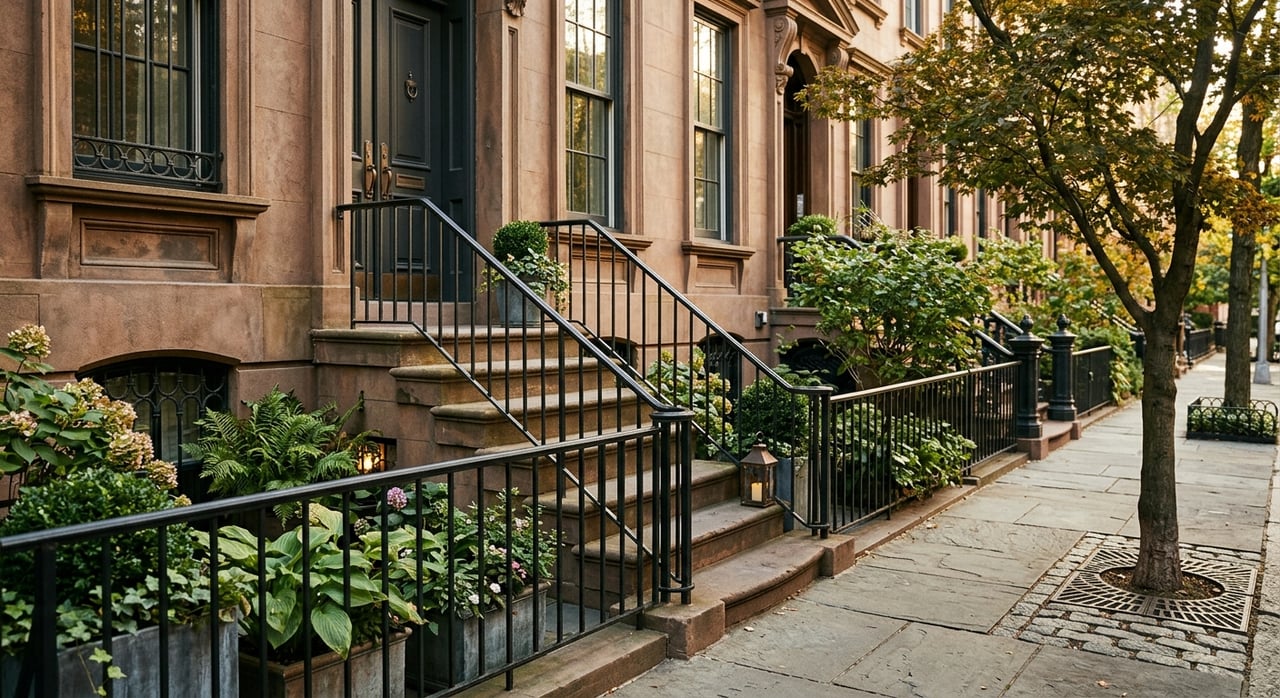
If you are drawn to Manhattan neighborhoods that feel both calm and connected, the West Village near the Hudson has a rhythm that is hard to ignore. You get historic blocks, waterfront access, and a walk-first lifestyle that can feel rare in a city this fast. If you are imagining what daily life here actually looks like, this guide will help you picture the pace, the setting, and the housing choices that shape it. Let’s dive in.
Morning Starts at the River
One of the clearest perks of living in the West Village near the Hudson is how easily the day can begin outdoors. Hudson River Park’s Greenwich Village section runs from Canal Street to Gansevoort Street and offers an uninterrupted esplanade with views of Lower Manhattan and New York Harbor.
That simple fact changes the feel of a normal weekday. Instead of treating the waterfront like a special outing, you can fold it into your routine before work, after a meeting, or at the end of the evening. The park is open from 6:00 AM until 1:00 AM, which gives you a wide window for everything from an early run to a late walk.
Piers Shape the Daily Routine
Pier 45 is one of the classic stops in this stretch of the waterfront. At the foot of Christopher Street, it is known for its large green lawn, which makes it easy to picture a coffee break, a quiet read, or a relaxed afternoon in the sun.
Pier 46 adds a different texture. Hudson River Park describes it as a tree-lined Greenwich Village retreat with a large artificial turf lawn, raised seating areas, and a pile field at the western end. If you like neighborhoods where movement and downtime sit close together, that mix matters.
The Waterfront Feels Layered
Approaching the river from West Village side streets has its own character. The park notes that the Hudson comes into view through a layered landscape, and the plant material in the Apple Garden area is among the park’s most mature.
That kind of arrival shapes the emotional side of living here. You are not stepping out onto a bare edge of the city. You are moving through low-rise streets and then opening onto a greener, broader riverfront experience.
West Village Streets Feel Different
The West Village sits within Manhattan Community District 2, and the district includes several well-known downtown neighborhoods. What makes the West Village stand out is not just location, but the built form that frames daily life.
This is an area strongly defined by preservation. The Greenwich Village Historic District is recognized for its role as a cultural and political hub, and for architecture that includes Federal, Greek Revival, Gothic Revival, and Italianate styles.
Historic Character Shapes the Experience
In practical terms, the neighborhood often reads as low-rise, detailed, and visually consistent. That impression comes from the concentration of historic buildings and the preservation framework around them.
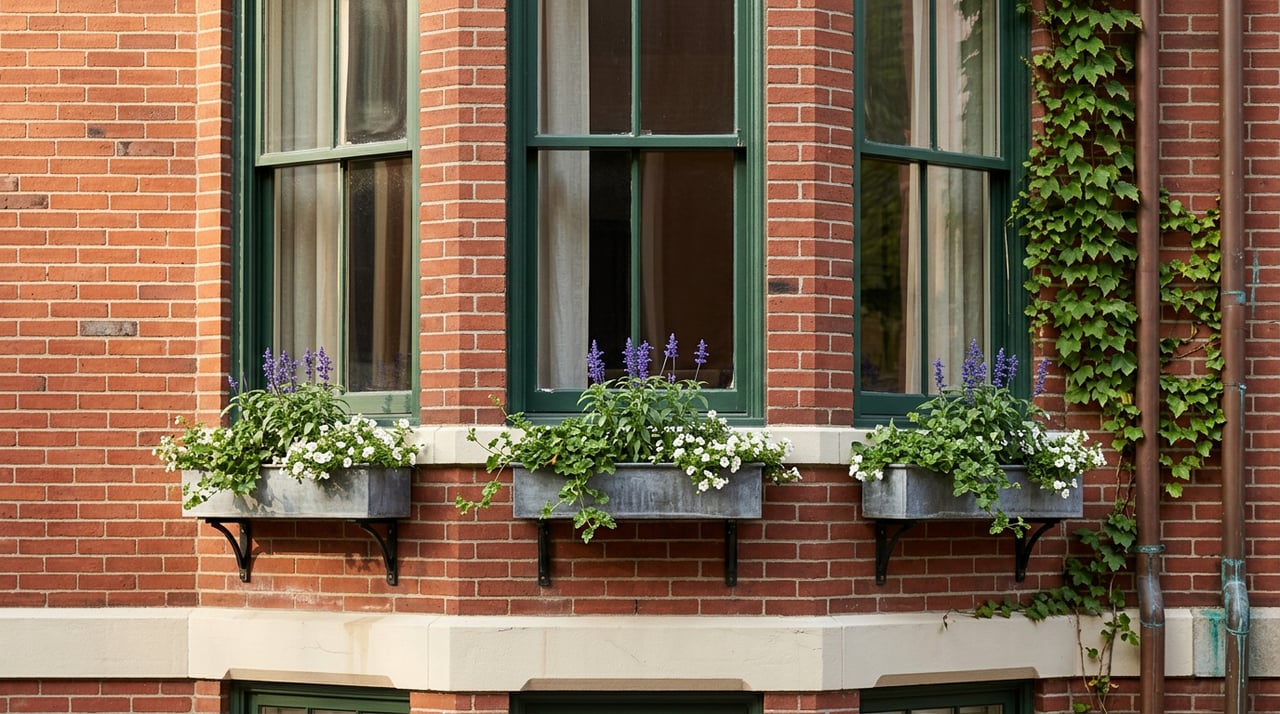
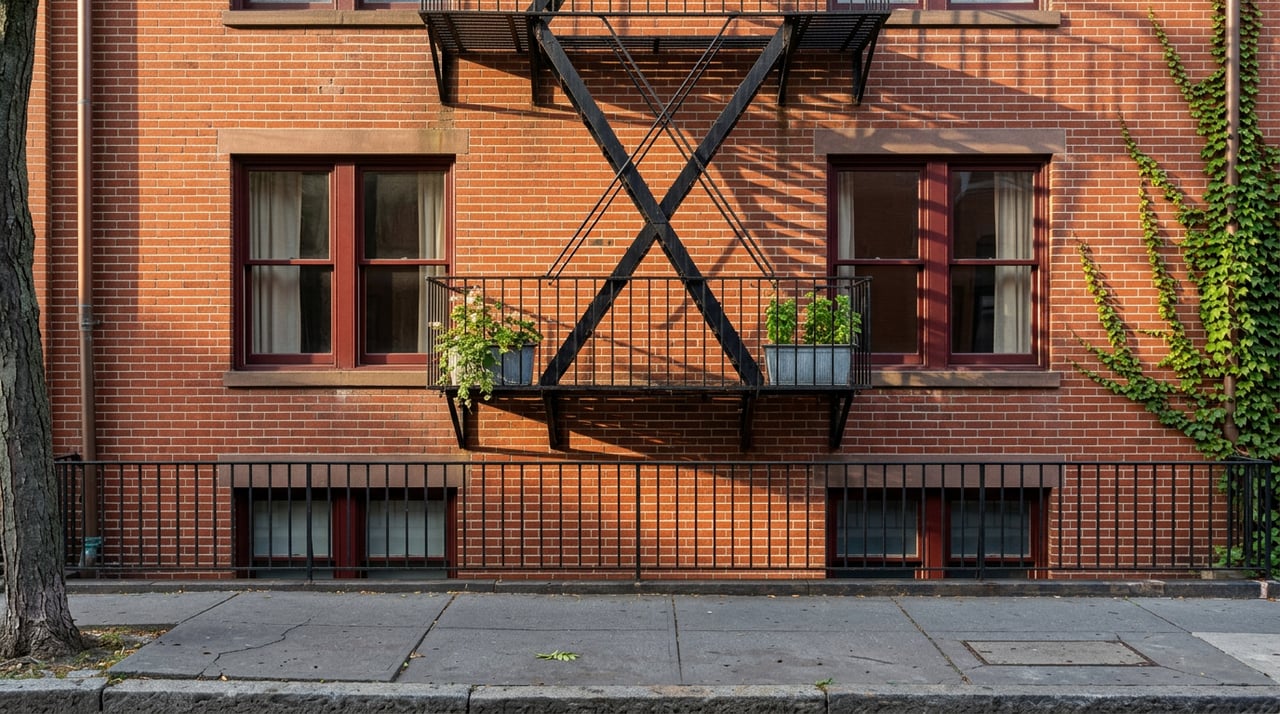
You notice that on ordinary walks. Stoops, cornices, window proportions, townhouse facades, and church architecture all contribute to a sense of place that feels more intimate than many other parts of Manhattan.
Rowhouses Define the Blocks
The Landmarks Preservation Commission identifies rowhouses as the dominant housing typology in many historic districts. A rowhouse is one of a group of attached houses that share common side walls, and that pattern is a major part of the West Village streetscape.
For you as a buyer or homeowner, this is more than visual charm. It affects how blocks feel, how natural light lands on the street, and how building individuality shows up through small exterior details rather than oversized scale.
Preservation Is Part of Ownership
If you own in the West Village, preservation is not just a backdrop. It can directly affect how exterior work is handled on designated buildings.
The Landmarks Preservation Commission states that restoration, in-kind replacement, alteration, reconstruction, demolition, or new construction affecting the exterior of an individual landmark or a building in a historic district requires permit review. The agency also makes clear that designation does not freeze a building, but changes are reviewed for appropriateness.
Why That Matters to Buyers
If you are considering a townhouse, co-op, or condo in a historic setting, it helps to understand that the appeal of the neighborhood is tied to those exterior details. Facades, windows, stoops, and rooflines are part of the lived experience and part of the long-term value conversation.
This is where careful due diligence matters. In a neighborhood with older housing stock, understanding building condition and the review environment can be just as important as loving the block.
Co-op or Condo Living Here
In the West Village, ownership structure can shape daily life almost as much as location. The New York State Attorney General explains that a co-op buyer purchases shares in a corporation and receives a long-term proprietary lease, while a condo owner has separate ownership of the unit plus an undivided interest in the common elements.
That distinction matters financially and operationally. It can affect decision-making, review processes, monthly costs, and your overall experience of ownership.
Look Closely at Building Condition
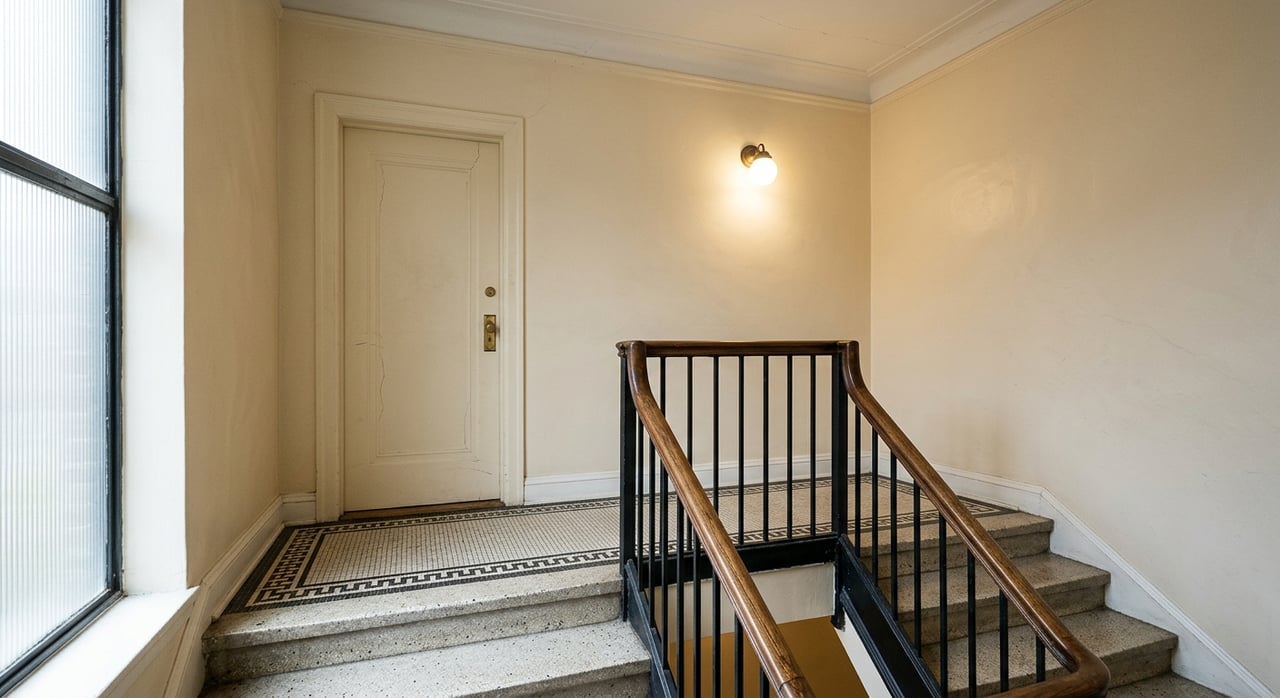
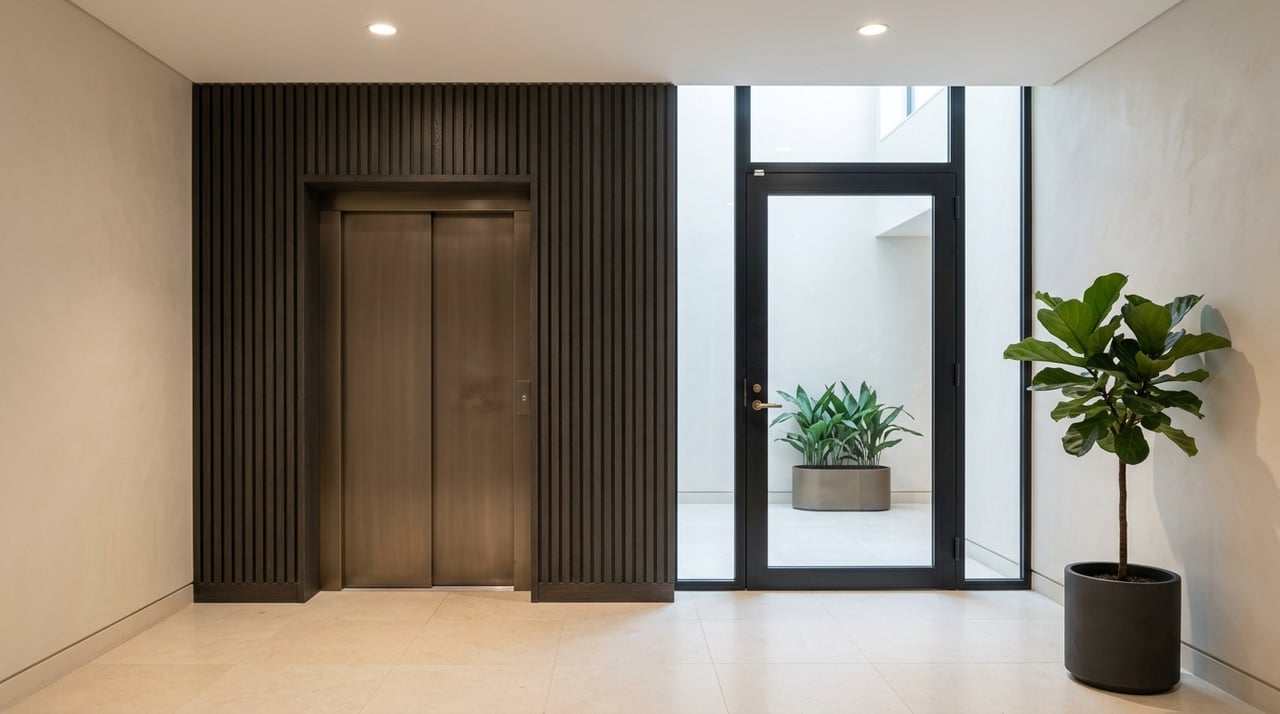
The Attorney General advises buyers to read the offering plan carefully and pay close attention to building components such as the facade, roof, windows, plumbing, elevators, and heating and cooling systems. In a neighborhood known for older buildings, those details deserve real attention.
If you are buying here, lifestyle and numbers need to work together. A beautiful apartment on a charming block is only part of the story. The building’s condition and structure of ownership also shape long-term comfort and value.
Midday Life Is Walkable
A big part of West Village appeal is how easy it is to move through the day without overplanning every trip. The MTA neighborhood map for the area shows Christopher St-Stonewall, W 4 St-Washington Sq, and 14 St-8 Av, along with nearby PATH access and bus routes including M8, M14A/D, M20, and M55.
That transit density supports a very practical kind of convenience. You can picture errands, meetings, dinner plans, and returns home fitting into a walk-first routine instead of revolving around a car.
Short Distances Change the Feel
When a neighborhood is compact and well connected, your day tends to feel smoother. It is easier to pivot from the river to a commercial street, from a quiet residential block to transit, or from an evening plan back home on foot.
That flexibility is part of what buyers often respond to here. The neighborhood can feel tucked in and residential while still being highly connected to the rest of downtown and beyond.
Evenings Stay Lively Without Feeling Overdone
The Greenwich Village Historic District remains a popular gathering place and center of cultural activity. The National Park Service notes jazz clubs, Off-Broadway theaters, the Whitney Museum of American Art, and Parsons among the area’s anchors.
That helps explain why the neighborhood often feels active at night in a way that is more textured than simply busy. You are in an area with longstanding cultural energy, and that energy tends to show up in a more layered, neighborhood-scale way.
The Low-Rise Setting Changes Nighttime
Evening in the West Village often feels shaped by the architecture itself. Lower building heights, landmarked facades, and shorter blocks can make a dinner reservation, a waterfront walk, or a trip to transit feel more grounded and less anonymous.
Hudson River Park also notes the presence of “ghost streets” along this waterfront, a reminder of the area’s maritime and commercial past. That historical texture adds another layer to what might otherwise be just a simple walk home.
What Buyers Should Keep in Mind
If you are considering living in the West Village near the Hudson, it helps to balance emotion with analysis. The neighborhood offers a strong lifestyle story, but smart buying here also means understanding the building, the ownership structure, and the preservation context.
A thoughtful search should look at more than finishes. You want to evaluate how the property fits your routine, how the building is maintained, and how the surrounding block contributes to long-term enjoyment and value.
A Practical West Village Checklist
- Think about how often you would use Hudson River Park in daily life
- Compare co-op and condo ownership with your goals and timeline
- Review the condition of major building systems carefully
- Ask how historic district rules may affect exterior work
- Consider how transit access supports your work and social routine
- Pay attention to block feel, not just apartment interiors
The right fit in the West Village is usually very specific. Precision matters here, because small differences in block, building condition, and ownership structure can meaningfully shape your experience.
If you want a clear read on what living here could look like for your goals, working with an advisor who understands both neighborhood character and property fundamentals can make the decision much more confident. To explore West Village opportunities with a strategic, detail-focused approach, connect with Michael Olim.
FAQs
What is daily life like in the West Village near the Hudson?
- Daily life often blends quiet residential streets, easy access to Hudson River Park, and strong transit connections that support a walk-first routine.
What makes the West Village feel different from other Manhattan neighborhoods?
- The neighborhood is strongly shaped by historic architecture, low-rise blocks, rowhouses, and preservation rules that help maintain a distinct sense of place.
What should West Village buyers know about historic district rules?
- In designated buildings and historic districts, most exterior work requires Landmarks Preservation Commission review, so buyers should understand how that may affect future plans.
What is the difference between a West Village co-op and condo?
- A co-op buyer purchases shares in a corporation and receives a proprietary lease, while a condo owner holds separate ownership of the unit plus an interest in the common elements.
What parts of a West Village building should buyers review closely?
- Buyers should pay close attention to major building components such as the facade, roof, windows, plumbing, elevators, and heating and cooling systems.
Is the West Village near the Hudson well connected by transit?
- Yes. The area is served by nearby subway stations, PATH access, and bus routes, which supports flexible movement across Manhattan and nearby areas.