If you are deciding between a condo and a co-op in the East Village, you are not alone. This neighborhood offers real character, strong location appeal, and a wide range of pricing, but it also asks you to look closely at ownership structure, building condition, and day-to-day livability. If you understand the tradeoffs before you tour, you can make a smarter and more confident decision. Let’s dive in.
East Village Housing Today
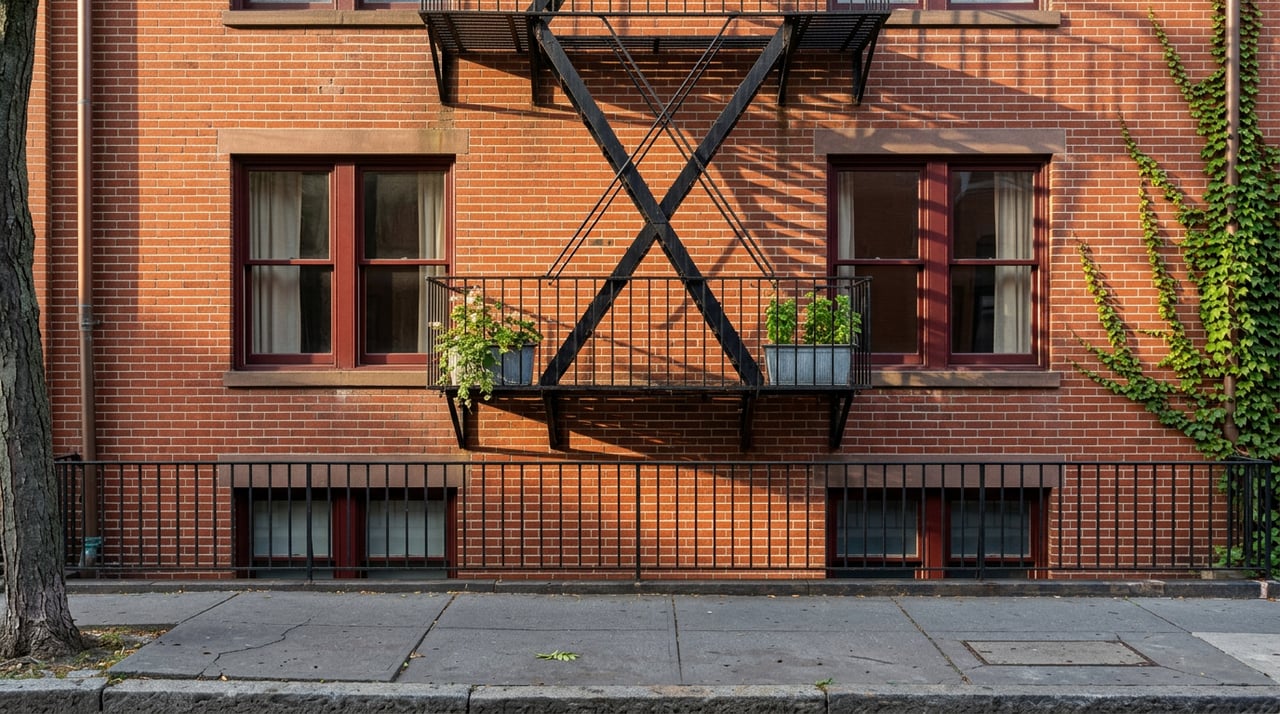
The East Village is not mainly a new-development market. The housing stock is defined more by older buildings, especially pre-war walk-ups, with only a small number of newer developments and generally smaller average apartment sizes than many other Manhattan neighborhoods.
That matters because your buying decision here is often about more than square footage or finishes. In many cases, you are weighing location and character against older systems, more stairs, and a more detailed review process.
The neighborhood also includes landmarked areas. The East Village/Lower East Side Historic District covers about 325 buildings, which can affect what kinds of exterior changes may need review and approval.
For some buyers, that historic context is part of the appeal. For others, it is a reminder to ask specific questions before closing, especially if you are thinking about future updates to windows, facade-facing elements, or other visible changes.
Condo vs. Co-Op Basics
Before you compare listings, it helps to understand what you are actually buying.
What You Own in a Co-Op
When you buy a co-op, you are purchasing shares in a corporation rather than buying real property in the same way you would with a condo. In return, you receive a proprietary lease that gives you the right to occupy the apartment.
Your monthly maintenance payment typically covers building operating costs, property taxes, and sometimes an underlying mortgage. Co-ops are also governed by a board of directors elected by shareholders, which means building rules and approvals play a larger role in ownership.
What You Own in a Condo
When you buy a condo, you purchase an individual piece of real property along with an interest in the common areas. You pay your own property taxes separately and also pay common charges for the building’s shared systems and spaces.
For many buyers, that structure feels more straightforward. You still need to review the building carefully, but the ownership format is different from a co-op and often comes with a different decision-making process.
East Village Price Differences
One of the biggest reasons buyers compare condos and co-ops in the East Village is price.
PropertyShark’s June 2026 snapshot showed a median sale price of $694,000 for co-ops and $2.2 million for condos in the neighborhood, based on 13 co-op transactions and 3 condo transactions. That is a major gap, even with the small condo sample.
At the same time, StreetEasy’s 2026 East Village snapshot put the median asking price at $1.199 million. Active listings showed a broad range, from a $495,000 studio and a $525,000 one-bedroom to a $1.975 million two-bedroom condo and a $2.799 million two-bedroom co-op.
In practical terms, you should expect a wide spread. Entry points under $600,000 still exist, while renovated one-bedrooms and two-bedrooms can move into the $1 million to $2 million-plus range depending on building type, condition, and layout.
East Village also compares favorably to some nearby neighborhoods on closed-sale median price. In June 2026, the neighborhood median was $890,000, below the Lower East Side, Gramercy Park, Greenwich Village, West Village, and far below SoHo.
Why Co-Ops Appeal to Buyers
For many buyers, the biggest draw of a co-op is value. If your priority is entering the East Village at a lower price point, a co-op may open more options.
You may also find co-ops in the kinds of older buildings that define the neighborhood’s identity. If you are drawn to pre-war details, established blocks, and a more classic East Village feel, co-ops are often part of that search.
That said, lower entry pricing does not mean less diligence. You still need to understand what the monthly maintenance covers, what the building’s finances look like, and what rules may shape how you live in or improve the apartment.
Why Condos Appeal to Buyers
Condos often appeal to buyers who want a more direct form of ownership. Because you own real property and pay property taxes separately from common charges, the structure can feel cleaner and easier to evaluate.
In the East Village, condos are usually less common and often carry a much higher price tag. That premium may reflect newer construction, different building amenities, or the simple fact that condo ownership tends to be scarce in a neighborhood dominated by older stock.
If you are comparing a condo to a co-op, do not stop at the purchase price. Look at monthly carrying costs, building condition, and how the apartment fits your long-term plans.
Walk-Up or Elevator Living
In the East Village, this question matters almost as much as condo versus co-op.
Walk-Up Buildings
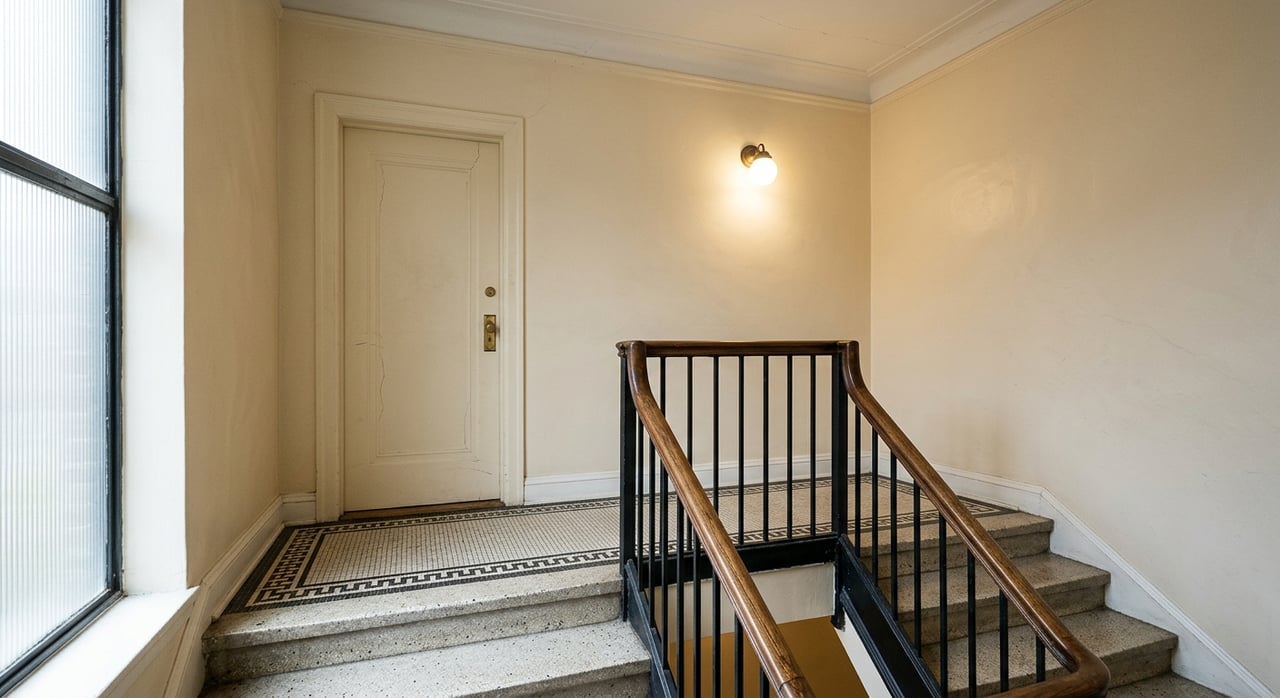
Walk-ups are a defining part of the neighborhood. They can offer charm, lower monthly costs in some cases, and a more classic downtown feel, but they also mean stairs, less convenience, and sometimes older common systems.
NYC building records can offer clues here. Walk-up co-ops and condos appear in classes such as CC, CB, C6, C8, and R2, while elevator buildings may appear in classes such as D1, D4, DB, DC, and R4.
Elevator Buildings
An elevator can make everyday life easier, especially if you travel often, carry groceries regularly, or simply want easier access over time. But elevator buildings can also bring a different level of building complexity.
The New York Attorney General notes that some of the most expensive building-wide problems in existing buildings involve the facade, roof, elevator, plumbing, electrical system, and boiler. In an elevator building, that makes capital planning, system condition, and reserve strength especially important to review.
Flood Risk and Location Details
Not every East Village block carries the same practical risk factors. In the broader East Village, Lower East Side, and Two Bridges planning area, NYC Planning says much of the area is vulnerable to flooding from a 1% annual-chance storm.
For buyers, this is especially worth checking if the building is on the eastern side of the neighborhood. Ask about prior flooding, storm damage, and whether building mechanicals have experienced shutdowns or disruptions.
Floor level also matters. So does the placement of building systems such as boilers and other mechanical equipment.
What to Ask on a Tour
A good East Village showing is not just about finishes and light. It is also your chance to pressure-test the building and the ownership structure.
Here are smart questions to ask:
- Is the building a walk-up or an elevator property?
- What is the building class in city records?
- What do the monthly charges cover?
- If it is a co-op, do the maintenance charges include property taxes or an underlying mortgage?
- How old are the roof, facade, windows, plumbing, electrical, boiler, and elevator systems?
- Has the building experienced flooding, storm damage, or mechanical shutdowns?
- Is the building landmarked?
- If it is landmarked, what exterior changes may need approval?
These questions can tell you a lot about future cost, convenience, and flexibility.
What to Review Before You Commit
In East Village buildings, document review is not a formality. It is one of the most important parts of the purchase.
The New York Attorney General recommends reading the entire offering plan before signing a purchase agreement and having an attorney review it before you commit. That step can help you identify building obligations, repair history, and any risks that are not obvious during a tour.
For a co-op, pay close attention to the by-laws, proprietary lease, house rules, recent board minutes, and recent financial reports. Those materials can reveal planned repairs, recurring issues, and the overall condition of the building’s operations.
You should also look for any mention of facade work, roof leaks, elevator repairs, boiler replacement, or plumbing upgrades. In older East Village buildings, these are often the issues that shape future costs.
If the apartment is sponsor-owned, part of a conversion, or in new development, make sure promises about finishes, amenities, or other deliverables are written into the contract or offering plan. Do not rely on marketing language alone.
For new construction of five stories or less, the Housing Merchant Limited Warranty Law generally provides one year of coverage for almost any defect, two years for mechanical systems, and six years for structural defects.
Check Tax Abatement Status
If you are buying a condo or co-op in New York City, it is worth confirming whether the building currently receives the city’s co-op or condo tax abatement. According to the Department of Finance and NYC311, the board or managing agent must apply for and renew the benefit for eligible units.
That means you should not assume the benefit is active or permanent. Ask for confirmation as part of your due diligence.
How to Think About the Right Fit
If you want the lowest possible entry point into the East Village, a co-op may be the better starting place. If you want a different ownership structure and are comfortable with a higher purchase price, a condo may better match your goals.
If you value classic neighborhood texture, older stock, and established blocks, you will likely spend time in walk-ups and pre-war buildings. If convenience is higher on your list, elevator access and building systems may deserve more weight.
The key is to look beyond the listing photos. In the East Village, the best purchase decisions come from understanding the building as carefully as the apartment itself.
Buying in a neighborhood with this much personality can be incredibly rewarding when the details line up with your lifestyle and long-term plans. If you want a calm, strategic approach to evaluating East Village condos and co-ops, Michael Olim can help you assess value, building quality, and the tradeoffs that matter before you make a move.
FAQs
What is the difference between an East Village co-op and condo?
- In an East Village co-op, you buy shares in a corporation and receive a proprietary lease, while in an East Village condo, you buy real property plus an interest in the common areas.
Are East Village co-ops usually cheaper than condos?
- Recent 2026 data showed a much lower median sale price for East Village co-ops than condos, though pricing can vary widely by building, size, and condition.
Are walk-up buildings common in the East Village?
- Yes. The East Village is known for older housing stock, especially pre-war walk-up buildings, with fewer new developments than many other Manhattan neighborhoods.
What should you ask when touring an East Village apartment?
- Ask about the ownership type, monthly charges, building class, age of major systems, flood history, and whether the building is landmarked.
Does landmark status affect East Village apartments?
- It can. In landmarked areas, certain exterior changes may require review, so it is important to ask what approvals may be needed before making visible updates.
Is flood risk something East Village buyers should check?
- Yes. NYC Planning says much of the broader planning area is vulnerable to flooding, so buyers should ask about storm history, mechanical placement, and building location, especially toward the eastern edge of the neighborhood.