Brooklyn can feel like several different cities woven into one borough. If you are trying to decide where to live, invest, or make a move, the biggest surprise is often this: the day-to-day experience can change block by block, not just neighborhood by neighborhood. Understanding those differences helps you make a smarter decision about lifestyle, value, and long-term fit. Let’s dive in.
Brooklyn Works as Micro-Markets
It is tempting to talk about Brooklyn as one market, but the numbers suggest a more layered story. Brooklyn had 2,561,225 residents in 2023, a 35.9% foreign-born population, a median household income of $79,830, and a 28.7% homeownership rate, according to the Furman Center’s Brooklyn profile.
Those borough-wide figures are useful, but they do not explain how daily life feels in different parts of Brooklyn. New York City’s community board framework reinforces that local planning is shaped at a smaller scale, with attention to housing, the built environment, and socioeconomic conditions at the district level.
For you, that means one simple thing: Brooklyn is best understood as a collection of micro-markets. Building age, street pattern, park access, and the pace of development often shape your daily routine as much as the neighborhood name itself.
Brownstone Brooklyn Feels Established
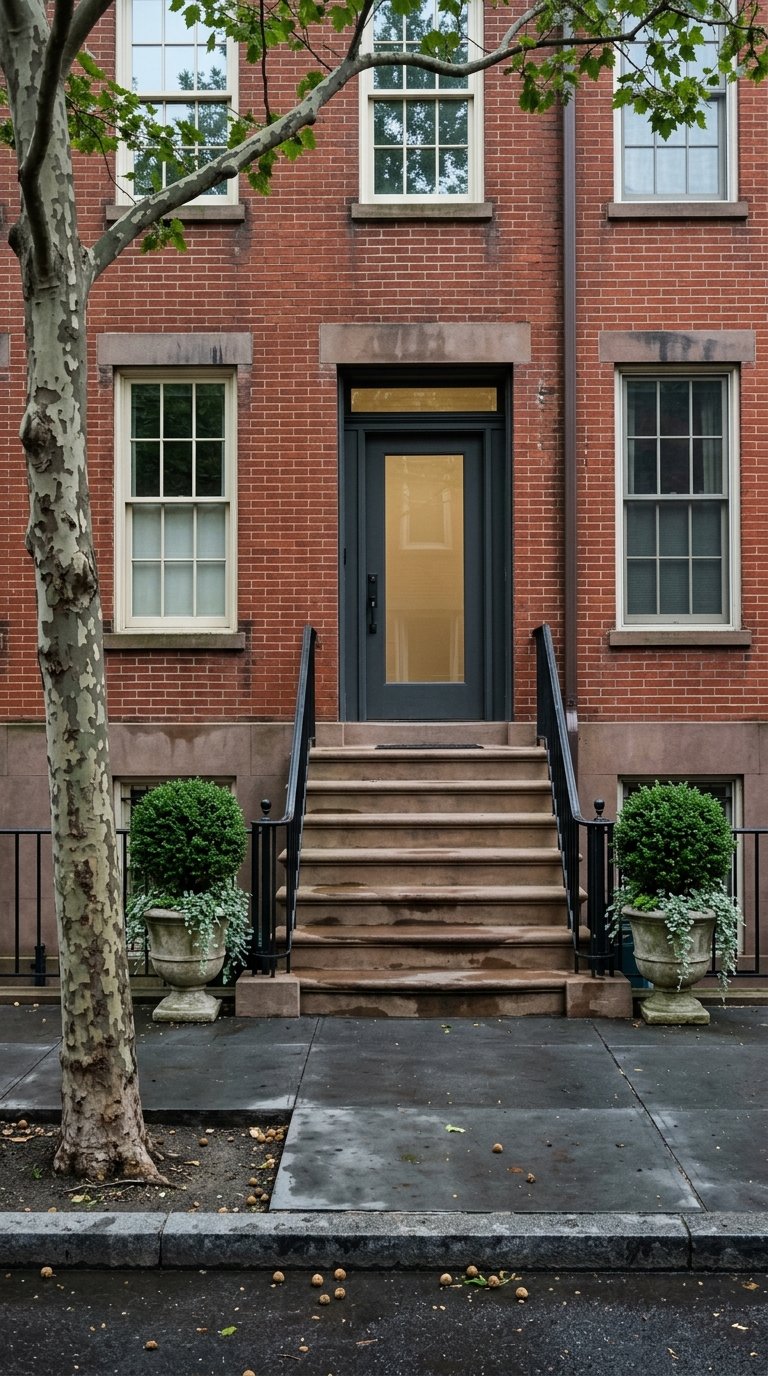
If you picture classic Brooklyn, you are probably imagining brownstone districts. These areas often offer row houses, lower-rise residential blocks, and a street rhythm that feels steady and rooted in older architecture.
In Park Slope, the Landmarks Preservation Commission describes the historic district as defined by tree-lined streets, a predominantly residential character, and strong architectural cohesion. Many of the row houses were originally built as three- and four-story walk-ups, which still influences how buildings function today.
Carroll Gardens has a similar texture. A city planning report described it as a pleasant residential neighborhood with tree-lined streets, carefully tended gardens, and a concentration of two- and three-story houses.
Sunset Park adds another version of that experience. The LPC’s designation materials tie its historic districts to the working waterfront, with brownstone-fronted row houses built for port workers and commuters, showing that this style of living extends beyond the best-known brownstone corridors.
What Daily Life Often Feels Like
In these neighborhoods, your experience may feel more block-oriented and residential. Streetscapes tend to be shaped by row houses, stoops, mature trees, and smaller-scale buildings instead of larger towers or major mixed-use projects.
That can matter in practical ways. Walk-up layouts, older housing stock, and established demand often influence everything from storage and stairs to renovation potential and resale appeal.
Why Demand Stays Strong
The market picture helps explain why these areas remain so sought-after. The Furman Center’s Park Slope/Carroll Gardens profile shows that Park Slope/Carroll Gardens ranked as the city’s 3rd highest median-income neighborhood and 9th most expensive rent market in 2023.
The same report notes that Fort Greene/Brooklyn Heights ranked 5th on both median income and rent expense. Even as these areas added housing from 2010 to 2024, they still read as high-demand, relatively supply-constrained submarkets.
Loft Districts Feel More Mixed-Use
Other parts of Brooklyn tell a different story. In loft and former industrial districts, daily life often feels more blended, with residential, office, retail, and public-space uses sitting closer together.
DUMBO is the clearest example. The LPC designation report traces the area from early residential use to a landscape of factories, warehouses, and commercial buildings, then later to artist-led loft conversions and mixed modern uses.
That history still shows up in the streetscape. Belgian-block streets, rail tracks, warehouse buildings, and the Manhattan Bridge backdrop create a setting that feels visually distinct from a row-house neighborhood.
Why the Vibe Feels Different
In a loft district, your routine may be shaped by adaptive reuse and mixed-use density rather than purely residential blocks. You may see more large-scale former industrial buildings, more open floor plan housing, and a stronger relationship between residential life, office activity, and retail change.
That often creates a neighborhood feel that is more transitional, more creative, and more visibly in motion. It also means buyers and renters are often evaluating not just the apartment, but the broader direction of the area.
Greenpoint and Williamsburg Show the Shift
Greenpoint and Williamsburg highlight how powerful that evolution can be. The Furman Center’s Greenpoint/Williamsburg profile reports 24,491 new housing units added from 2010 to 2024, a 2023 median gross rent of $2,570, and a 2.0% rental vacancy rate.
That combination of major housing growth and tight vacancy helps explain why these neighborhoods can feel both heavily developed and highly competitive. It also suggests a faster-moving environment than what you might find in more established brownstone areas.
The public realm has evolved alongside housing. The city’s Greenpoint-Williamsburg waterfront plan outlines interconnected open spaces, park links, and a continuous shore walkway from Greenpoint Avenue to North 3rd Street in Williamsburg, showing how planning decisions can shape everyday movement and recreation.
Waterfront Brooklyn Feels Planned and Amenity-Driven
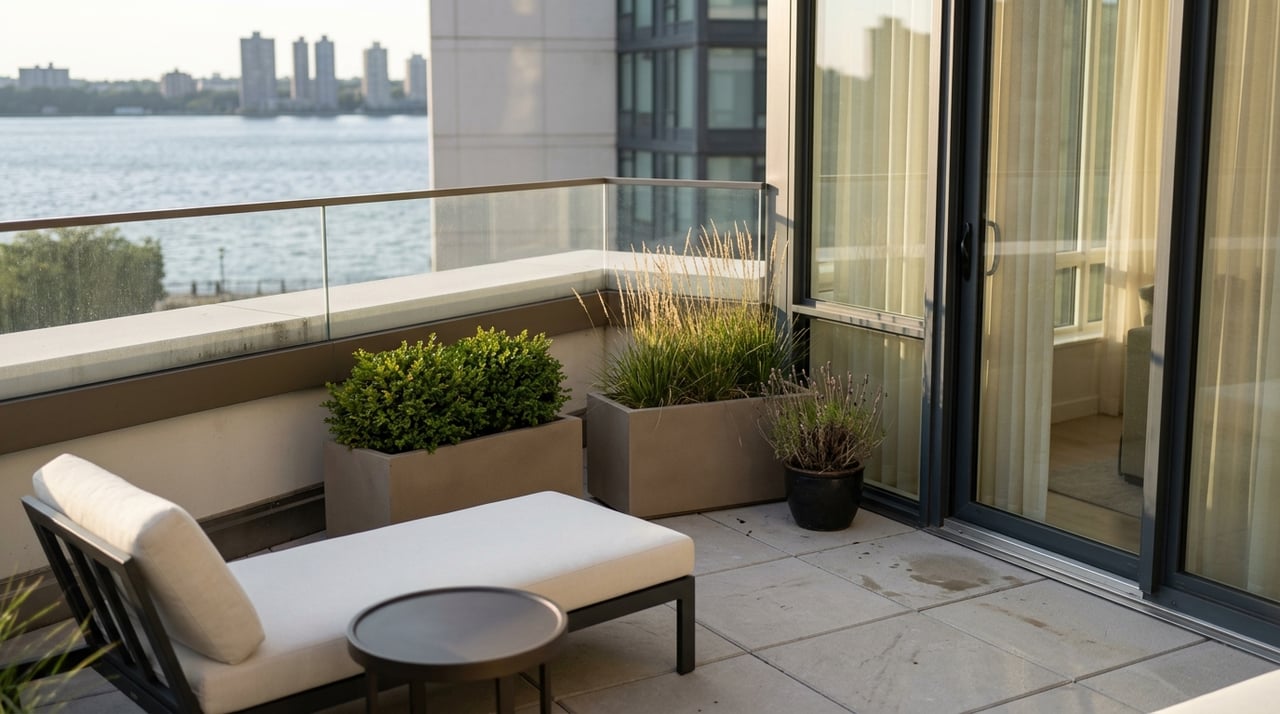
Some Brooklyn neighborhoods are defined less by historic housing patterns and more by major public investment and rezoning. In these areas, daily life often feels more planned, more amenity-driven, and more vertical in its built form.
Brooklyn Bridge Park is a strong example of how the waterfront can transform local experience. What was once a dilapidated industrial edge became an 85-acre waterfront park stretching 1.3 miles along the East River, with promenades, lawns, sports facilities, playgrounds, and skyline views.
That kind of infrastructure changes more than scenery. It can reshape how people spend weekends, commute on foot or bike, and evaluate proximity to open space.
DUMBO’s Public Realm Keeps Evolving
DUMBO continues to show how civic upgrades can change neighborhood feel over time. In 2025, the city completed a restoration and upgrade across 26 DUMBO blocks, rebuilding cobblestones, adding bike lanes, improving stormwater drainage, and creating Pearl Street Plaza.
For residents, that kind of work affects everyday comfort and circulation. It can influence how streets function, how public space is used, and how polished the neighborhood feels on a daily basis.
Gowanus Reflects the Next Chapter
Gowanus may be Brooklyn’s clearest next-phase waterfront story. The Special Gowanus Mixed Use District applies special mixed-use rules to canal-adjacent blocks and includes Mandatory Inclusionary Housing areas as part of a broader city framework.
At the project level, Gowanus Green adds roughly 950 affordable homes, a 1.5-acre waterfront park, and school and community space. Together, those policies and projects point to a neighborhood shaped by planning, new housing, public access, and long-term redevelopment.
How to Read Brooklyn More Clearly
If you are comparing neighborhoods, it helps to focus less on broad reputation and more on how a place functions day to day. Brooklyn neighborhoods often become easier to understand when you look at a few core questions.
Ask About the Built Environment
Start with the physical setting. Is the area mostly row houses, loft conversions, or newer large-scale development? That one question can tell you a lot about noise, density, stairs, light, layout, and the overall pace of the block.
Ask About Public Space
Parks, waterfront access, and street design matter more than many buyers expect. A neighborhood shaped by promenades and connected open space will often live differently from one centered on residential side streets.
Ask About Housing Supply
Supply changes the feel of competition and turnover. Brooklyn’s borough-wide rental vacancy rate was 2.9% in 2023, while Greenpoint/Williamsburg came in tighter at 2.0%, showing how conditions can vary sharply within the same borough.
Ask About Long-Term Fit
The right neighborhood is not just the one that photographs well. It is the one that aligns with how you want to live now and how you want your property to perform over time.
That is especially important in Brooklyn, where limited-supply brownstone blocks, evolving loft districts, and amenity-led waterfront areas can each offer a very different kind of ownership or rental experience.
Why This Matters for Buyers and Sellers
For buyers, neighborhood vibe is not a soft factor. It is often a proxy for housing type, competition, future development, and how your home will support your routine.
For sellers, understanding micro-market identity can sharpen pricing, positioning, and presentation. A brownstone, loft-style condo, or waterfront residence should be framed around the lifestyle and built-environment strengths that actually drive demand in that specific submarket.
If you are thinking about a move in Brooklyn, Manhattan, or nearby New Jersey, working with an advisor who can connect neighborhood feel to property quality, market behavior, and long-term value can help you make a more confident decision. If you want a strategic, high-touch conversation about where Brooklyn fits into your goals, connect with Michael Olim.
FAQs
How do Brooklyn neighborhood vibes affect daily life?
- Brooklyn neighborhood vibes affect daily life through building type, street pattern, park access, and the pace of development, which can change your commute, housing experience, and overall routine.
What neighborhoods feel most like classic Brooklyn?
- Park Slope, Carroll Gardens, Sunset Park, and parts of Fort Greene and Brooklyn Heights are often associated with classic Brooklyn streetscapes, including row houses, tree-lined blocks, and a more established residential feel.
What Brooklyn neighborhoods feel more creative or transitional?
- DUMBO and Greenpoint/Williamsburg often feel more mixed-use and evolving because of their industrial history, loft conversions, new housing growth, and public-realm improvements.
How does waterfront development shape Brooklyn living?
- Waterfront development can make daily life feel more amenity-driven by adding promenades, parks, bike access, public space, and newer mixed-use housing patterns.
Why is Brooklyn better understood as micro-markets?
- Brooklyn is better understood as micro-markets because borough-wide averages do not capture the major differences in housing stock, vacancy, demand, and neighborhood form from one district to another.